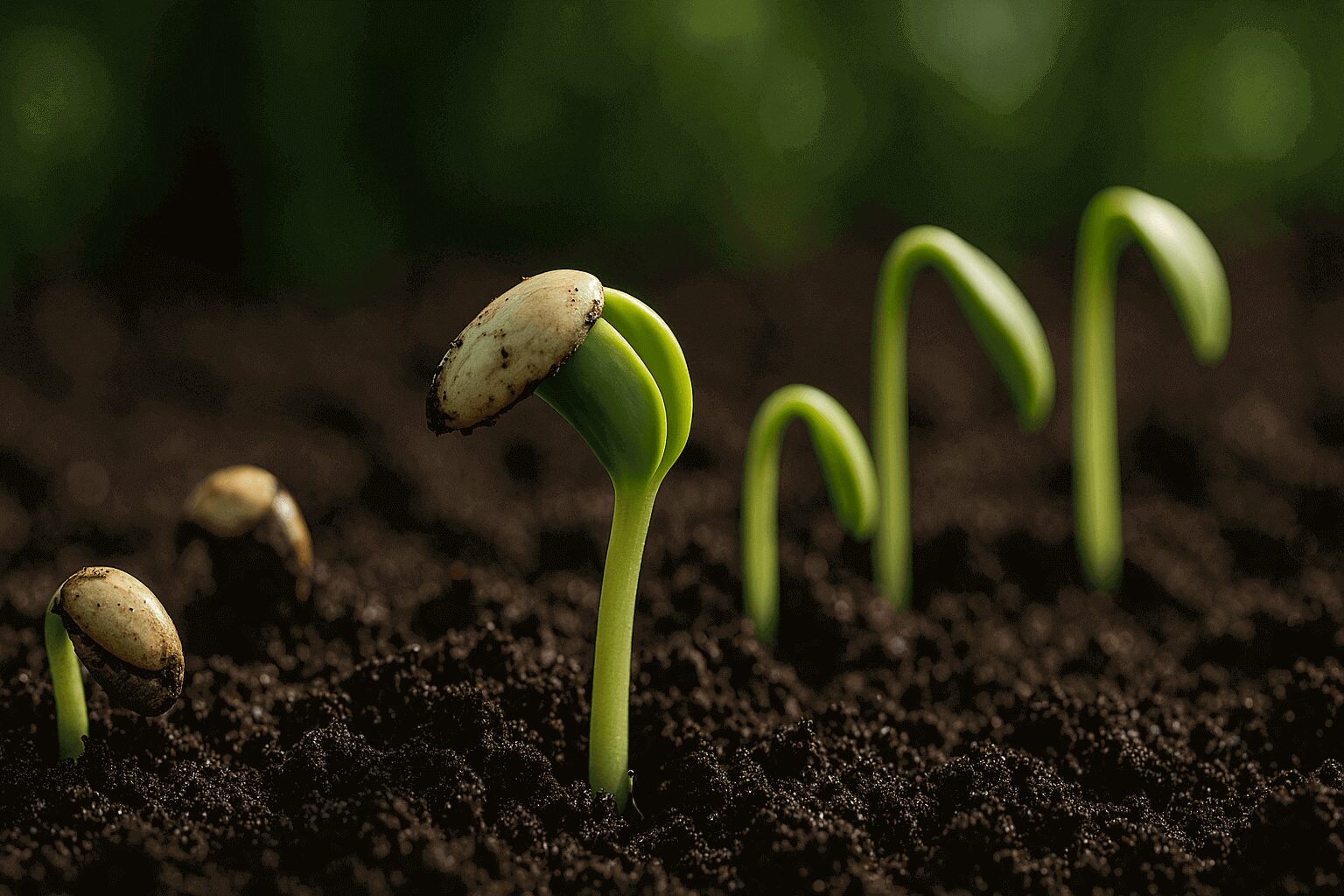
From Seed to Sprout: How Long Does Germination Take
The first time I sowed spinach, I stood over the pot literally every day and waited for something to happen. On the fifth day, I decided that the seeds were defective, dug them up with my finger to check and — there they were, right on the verge of sprouting. I destroyed a whole row of spinach out of impatience. My neighbor laughed when I told her — she had done exactly the same thing with her carrots a year earlier, twice in one season.
Different seeds live at different tempos and this is not a metaphor
Radishes, for example, have no patience — three, four days and you can already see them. Do you leave them without anything for nine days? Then something is really wrong and it makes sense to dig. Lettuce is a little slower, usually between five and ten days, and is capricious to temperature — above 22 degrees it simply refuses to germinate, entering a kind of lethargy. I lost a season just like that — I sowed lettuce at the end of May, waited two weeks and wondered what was wrong, until I accidentally read about the temperature threshold.
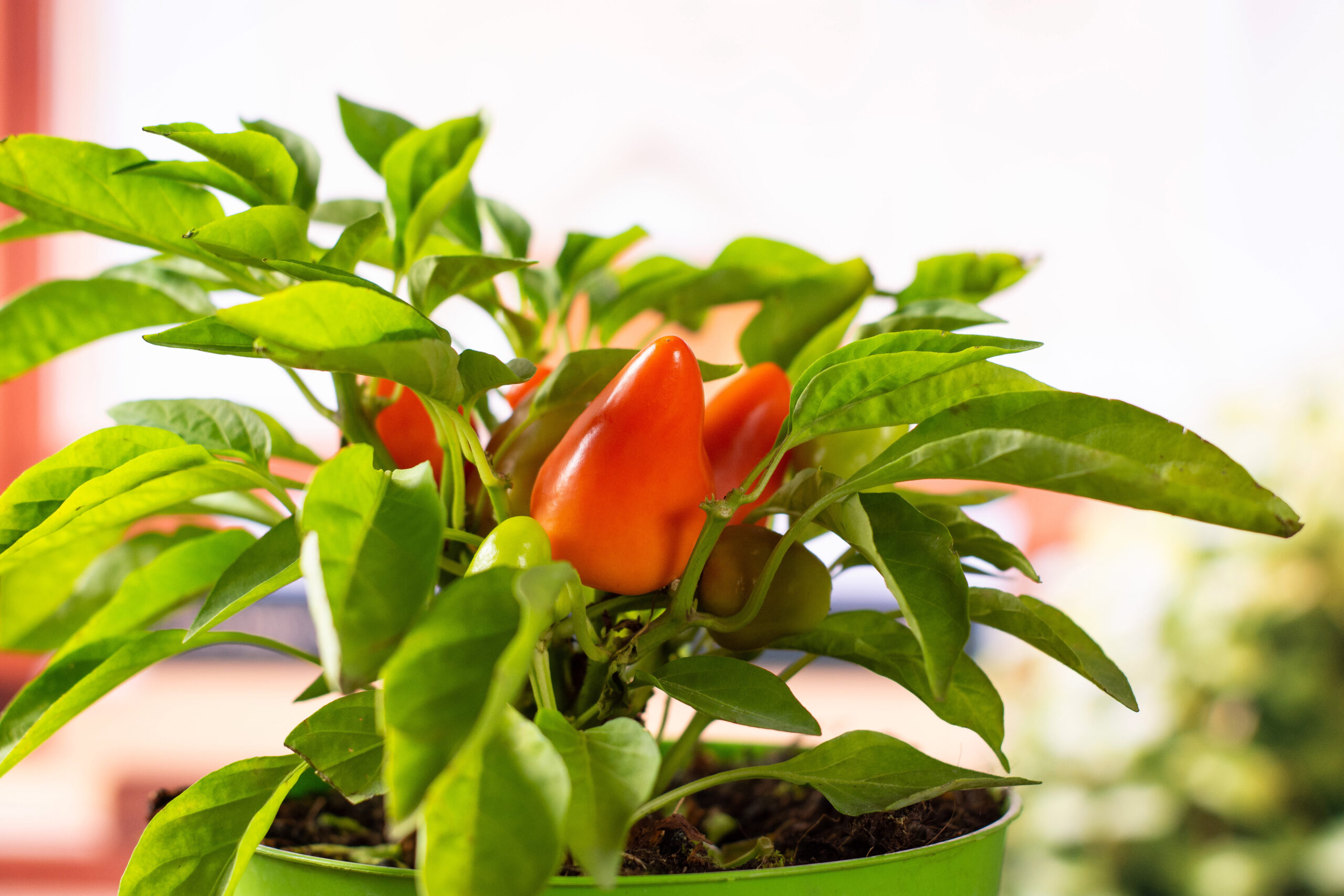
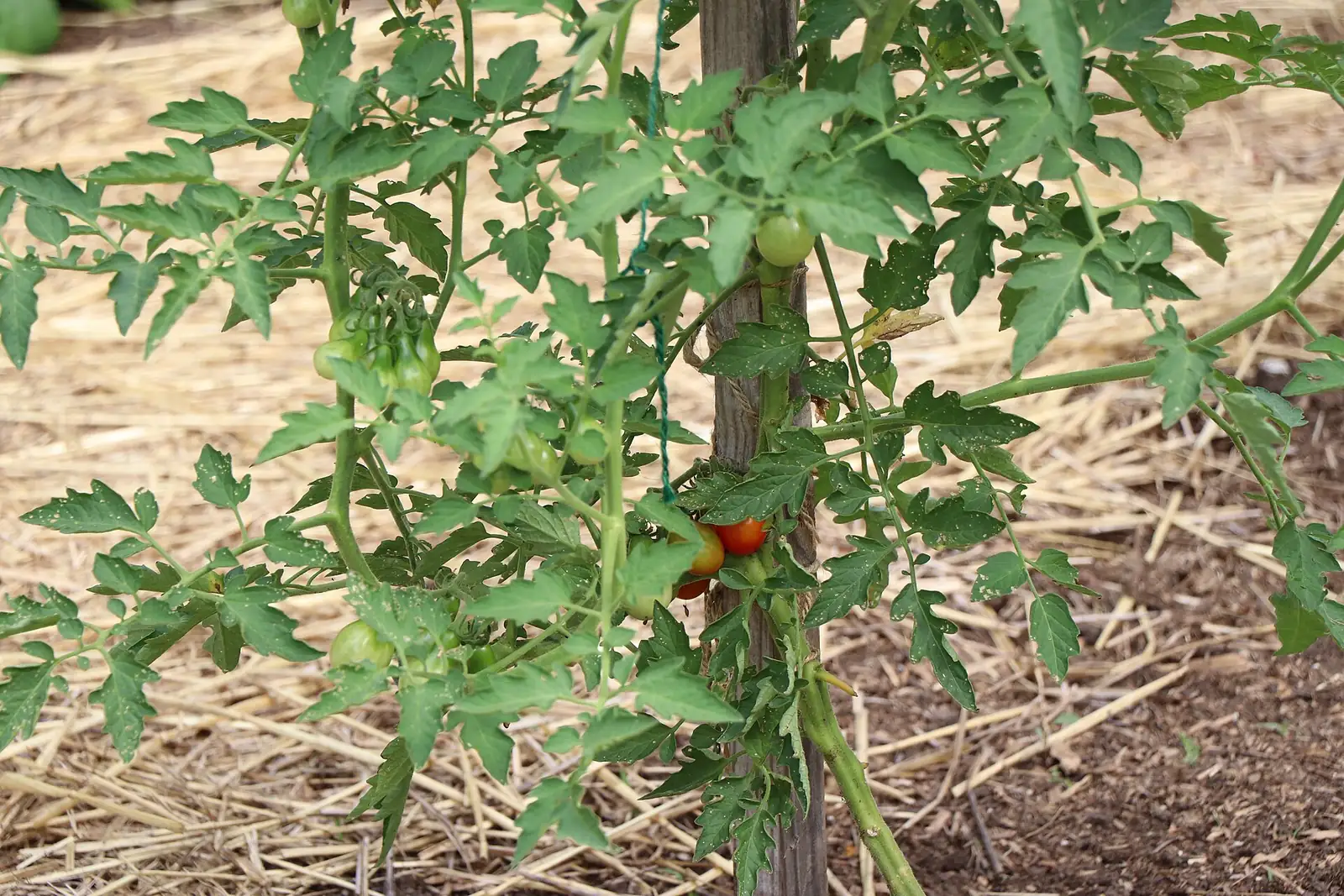
Tomatoes and peppers are a different story — they want 7 to 14 days, but only if the soil is warm. Below 18 degrees they just sit and wait. That’s why experienced people put them on the refrigerator or buy a cheap thermal pad — it’s not a luxury, but the difference between March and May as the start of the season.
Moisture kills faster than drought
Most seeds die not from a lack of water, but from an excess. The soil should be damp like a squeezed sponge — not dripping, not dry. I use a spray bottle for the first few days instead of a watering can, because the stream moves the seeds and presses them down. A small detail, but once you miss it once and see half the seeds pile up at the edge of the pot, you won’t miss it again.
The cover helps. A plastic wrap or lid on the pot retains moisture and heat and speeds up germination by two or three days for almost all types. Remove it as soon as the first sprouts appear – otherwise they rot from suffocation.
When to stop waiting
My practice is this: if twice as many days as indicated on the package have passed and nothing has moved – I dig up a seed and examine it. If it is soft and dark, it has died, usually from moisture or cold. A hard and unchanged seed is not dead – it is just cold or dark. Change one of the two and try again. Soft, dark, with a basement smell – it will no longer work, you throw it away and sow a new one without feeling sorry for yourself.
I’ve burned through three packages of tomatoes for this reason before I realized where I was messing up. Now I don’t mess up anymore—or at least I mess up in new and more interesting directions.